
Technology
Platforms
BrYet’s technology is based on two distinctive advantage, proprietary platforms: Transport Oncophysics and Nanoporous Silicon MicroParticles (NSMP).
Transport Oncophysics
A novel mathematical framework used to:
- Predict the biodistribution, pharmacokinetics & dynamics, toxicokinetics & dynamics, therapeutic index and therapeutic efficacy of injected single- and multi-component drugs and vaccines;
- Interpret and differentiate cancer-specific molecular transport phenotypes;
- Personalize treatment in novel ways through transport biomarkers.
Nanoporous Silicon MicroParticles (NSMP)
A unique transport-enhancing formulation approach to enable the high-specificity targeting of desired organs/tissues/cells in oncology, and beyond. The NSMP:
- Are manufactured at BrYet US using proprietary methodologies that are compatible with industry-standard semiconductor materials and processes;
- Possess precisely controlled physical characteristics that control the targeting and attain desired concentrations at desired sites;
- Harmlessly bio-erode into silicic acid and are excreted via the urinary and fecal pathways.
%
Functional Cures
In Preclinical Animal Models
Approved for Phase 1/2 clinical trials
Lead Product
ML-016 (iNPG-pDox)
Injectable nanoparticle generator (iNPG) – polymeric doxorubicin (pDox)
BrYet has identified a lead product from these platforms: ML-016 (iNPG-pDox), a therapeutic agent with unprecedented curative potential for lung and liver metastases. In preclinical animal models, ML-016 demonstrated complete functional cures in 40-50% of metastatic mice including treatment resistant cell lines. Published preclinical data was obtained in various models of metastatic, triple-negative breast cancer; however, we have strong indications that being transport physics-based, the efficacy of ML-016 extends to any lung and liver metastases from any site of origin, and potentially primary lesions. BrYet’s most recent validation of the approach was in preclinical models of soft tissue sarcoma with lung metastases.
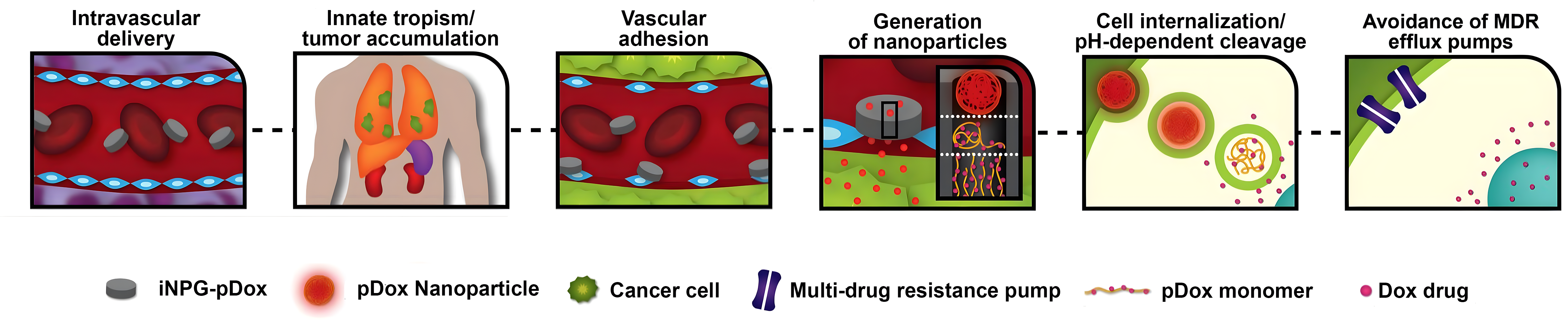
ML-016 comprises an amino acid polymer conjugated to doxorubicin, with a formulation that includes platelet-like bio-erodible mesoporous silicon elements, which target the vascular endothelium of blood vessels in the tumor microenvironment. The amino acid polymer-drug conjugate is released into the tumor, where it forms exosome-like vesicles. These “exosomoids” are designed to be preferentially taken up by cancer cells including those that have previously been resistant to therapy.
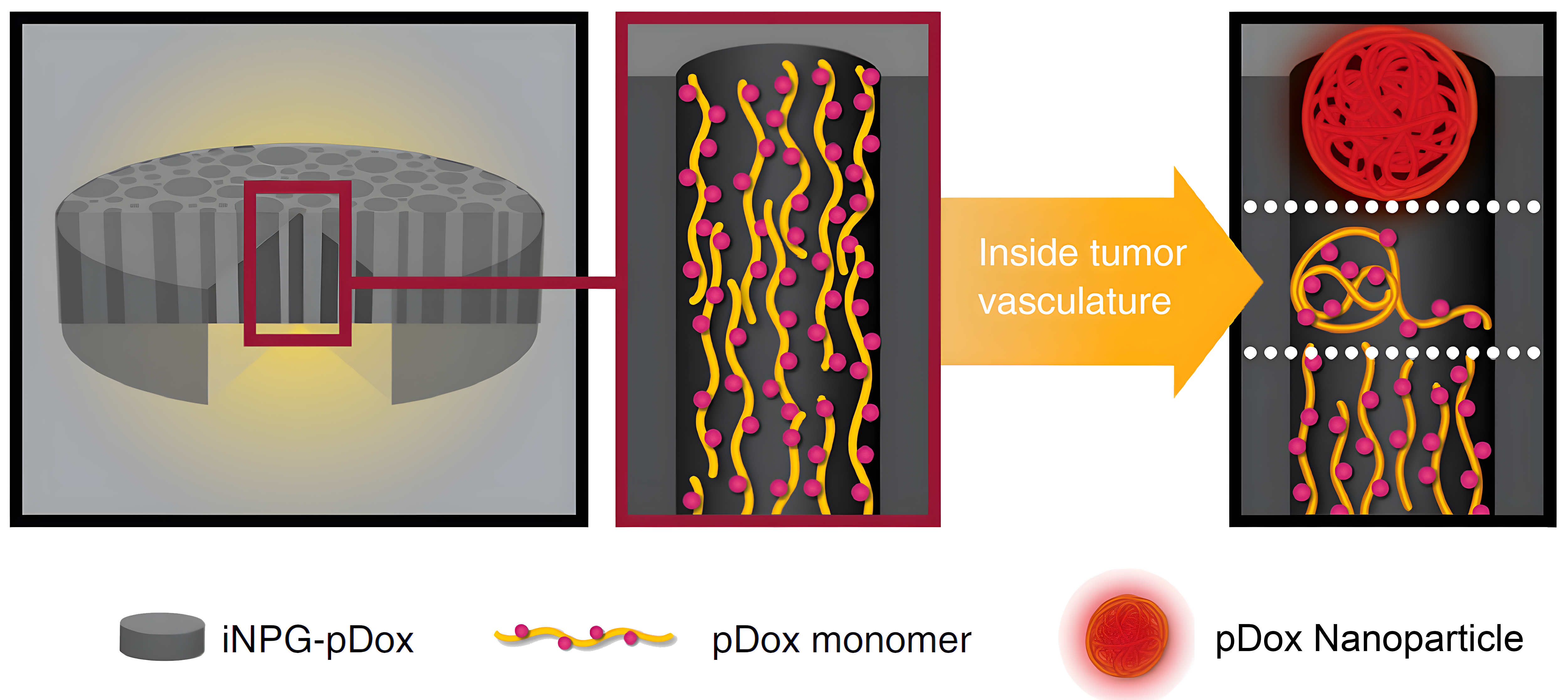
Targeting the Cancer-Specific Molecular-Transport Therapeutic Resistance Phenotype ML-016: Multi-Step Mechanism of Transport (MOT)
iNPG and Transport Oncophysics
Together, iNPG and Transport Oncophysics target the molecular transport phenotype of lung and liver cancers by specifically addressing cancer-modified biological barriers. This maximizes efficacy and minimizes side effects, without need for biological recognition moieties to target lung and liver malignancies. Targeting moieties can be incorporated for other indications.
Xu, R., Zhang, G., Mai, J. et al. An injectable nanoparticle generator enhances delivery of cancer therapeutics. Nat Biotechnol. 34, 414–418 (2016).
Goel, S., Zhang, G., Dogra P. et al. Sequential deconstruction of composite drug transport in metastatic cancer. Science Advances 24, 1-14, EABA 4498, (2020)
Pre-Clinical Results
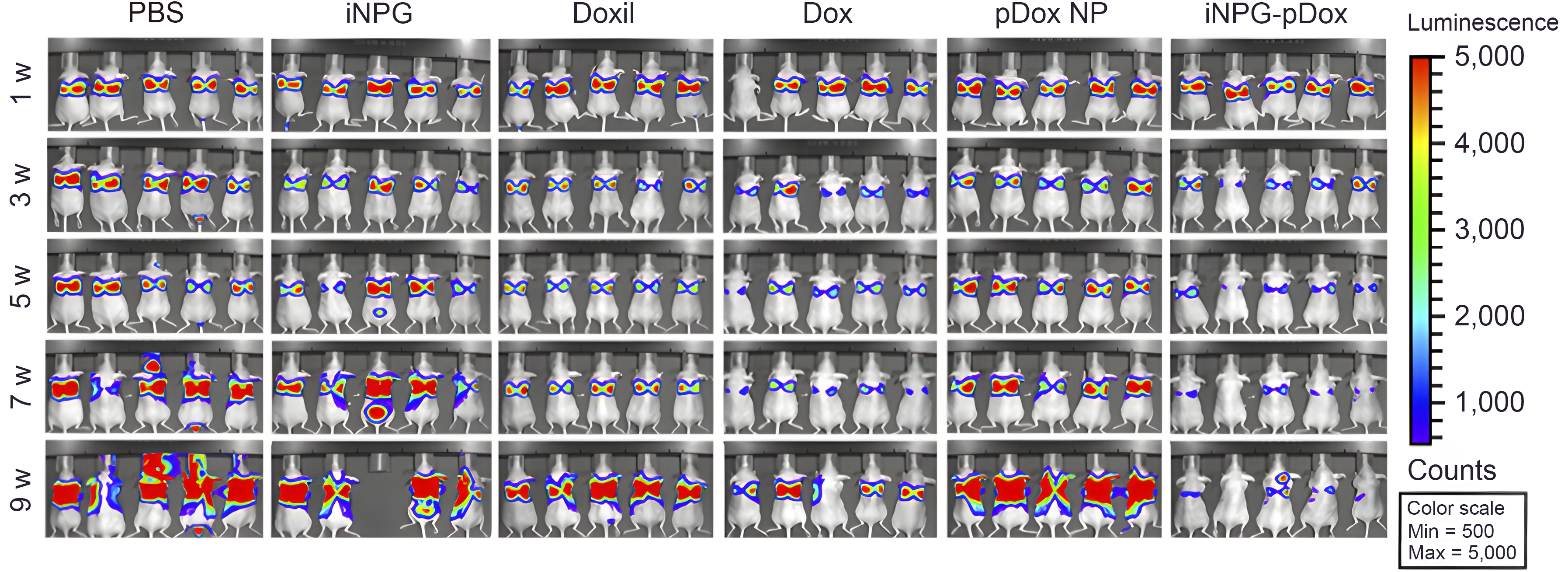
Bioluminescence monitoring of MDA-MB-231 tumor metastasis in the lung was completed. Nude mice were inoculated with MDA-MB-231 cells carrying a luciferase gene, divided into six treatment groups (n = 10 mice/group), and treated weekly with 3 mg/kg free doxorubicin or biweekly with 6 mg/kg Doxil, pDox or iNPG-pDox for 6 weeks. Mice were maintained further thereafter to monitor survival. Images of five mice/group are shown.
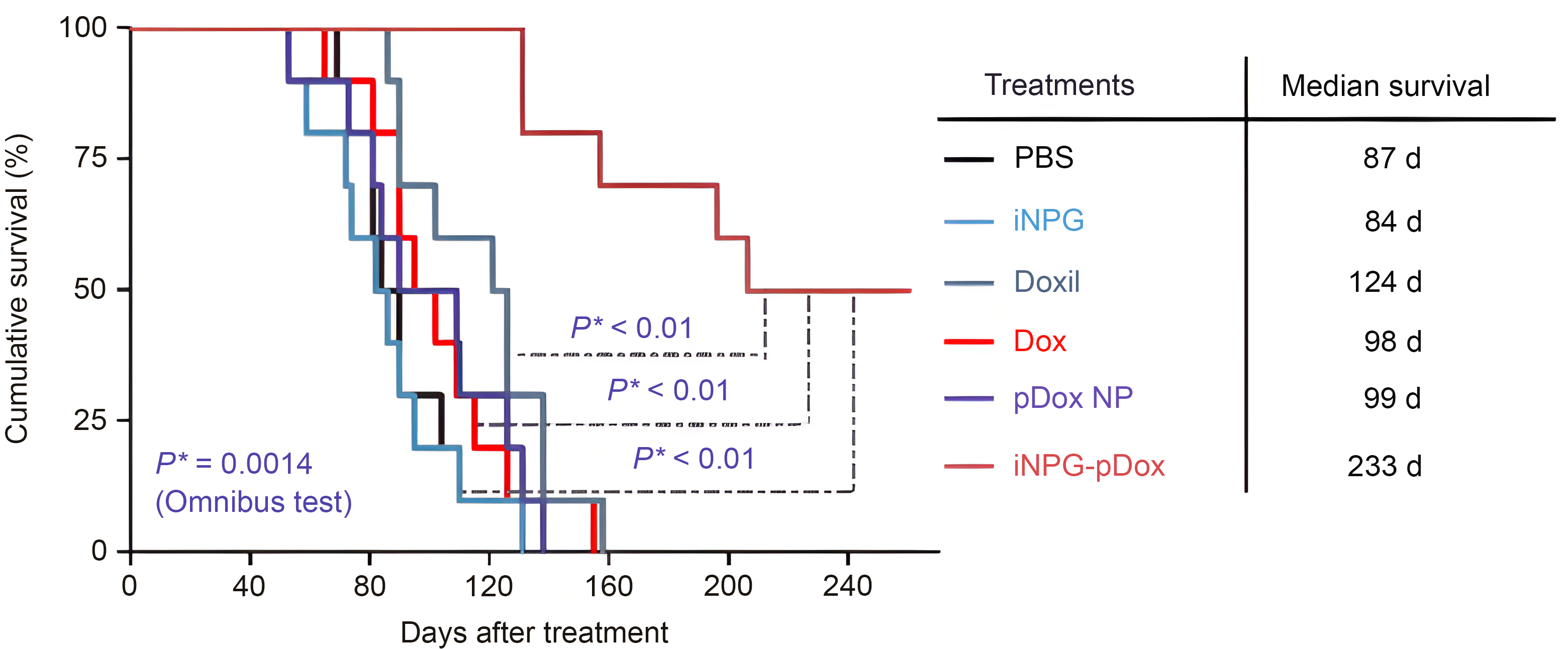
The Kaplan-Meier plot shows animal survival with median survival time listed in the table. Differences in survival were evaluated by the log-rank test. A global test demonstrated a difference exists among the groups. Pairwise comparisons were performed to evaluate the advantage of iNPG-pDox formulation over the clinical formulations.
Xu, R., Zhang, G., Mai, J. et al. An injectable nanoparticle generator enhances delivery of cancer therapeutics. Nat Biotechnol. 34, 414–418 (2016).